
Learning to Read
Description
Teaching reading does not require any special expertise (other than the ability to read) or fancy educational props. What it does require is patience and consistency.
The most important thing you can do to set the stage for teaching your child how to read is to spend lots of time reading to your child. No age is too young to begin enjoying books together, and we recommend reading at least one to three children's books to your child each day during the preschool and kindergarten years.
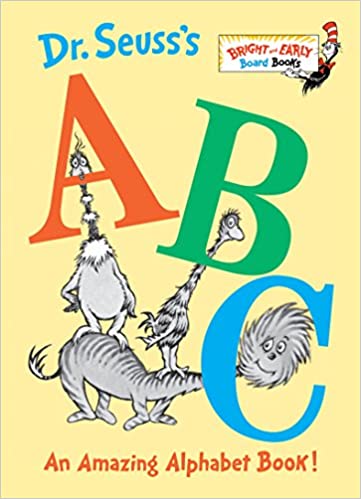
Starting at age three, you can teach your child to recognize letters. Our children learned their letters from Dr. Seuss's ABC, which they loved so much that we ended up reading it to them dozens of times.
Children as young as four or five are fully capable of learning to read, as long as you keep lessons brief. We recommend starting with five- to ten-minute sessions and gradually increasing as your child's attention span matures.
Our kindergarten curriculum uses The Ordinary Parent's Guide To Teaching Reading as a lesson plan for teaching your child to read. This book uses a straightforward phonics-based approach to teaching reading. (We believe a solid grounding in phonics better equips children to sound out new words and understand the mechanics of writing than sight words-based systems.) Each lesson introduces a new phonics rule and provides several examples. To complete a lessson you simply explain the rule using the prompts suggested in the book, and have your child practice reading the examples. We recommend completing one lesson of The Ordinary Parent's Guide To Teaching Reading per day.
At a separate time each day, have your child practice reading a real book out loud to you. We suggest starting with Bob Books, one of the few entirely phonics-based beginning readers. Early Bob Books use only a few letters and words each, so you can begin right away. The Bob Books stories are entertaining, and reading actual books provides a sense of accomplishment. One new Bob Book per day is a reasonable amount of practice for most five-year-olds.
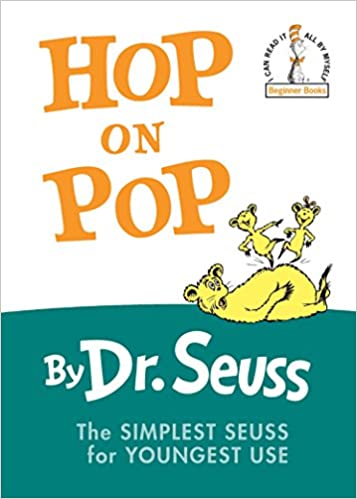
The kindergarten curriculum progresses through the Bob Books series in order of increasing difficulty. Once you complete the Bob Books series, you can move on to other easy books such as Hop on Pop and Go, Dog, Go! You can then transition to easy readers.
Today's easy readers display a reading level (one through four) on the cover. Aim to start at level one or two, and allow your child to progress to higher levels naturally as he or she gains confidence. Most libraries have a wide selection of easy readers and your child should fine plenty to suit his or her interest.
Note that you do not need to teach your child to write in conjunction with reading. Writing is a separate skill which is often easier to learn in first grade when children's fine motor skills and concentration have had more time to develop. That said, if your child wants to write, feel free to demonstrate how to form letters and let him or her practice for fun.
Course components
-
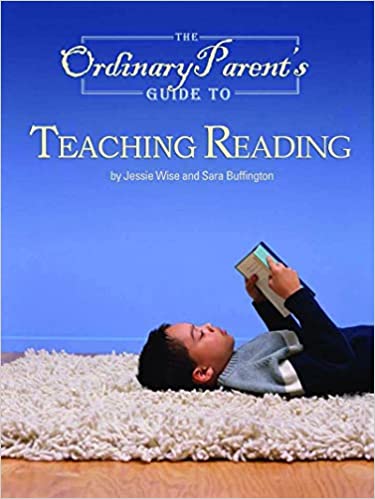
The Ordinary Parent's Guide to Teaching Reading
Jessie Wise
Core curriculum · Aug 3, 2026 - Aug 1, 2027 -
-
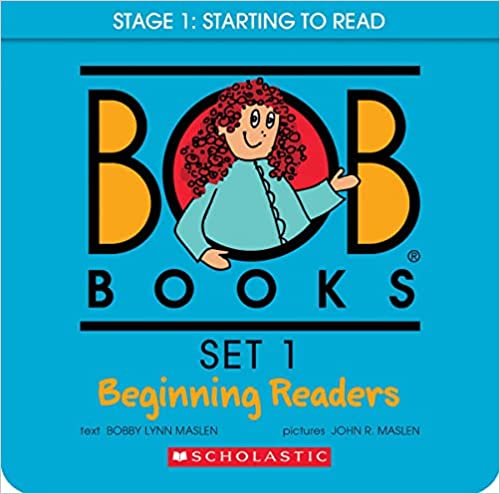
Bob Books, Set 1: Beginning Readers
Bobby Lynn Maslen
Core curriculum · Reading level 1 · Aug 10, 2026 - Aug 30, 2026 -
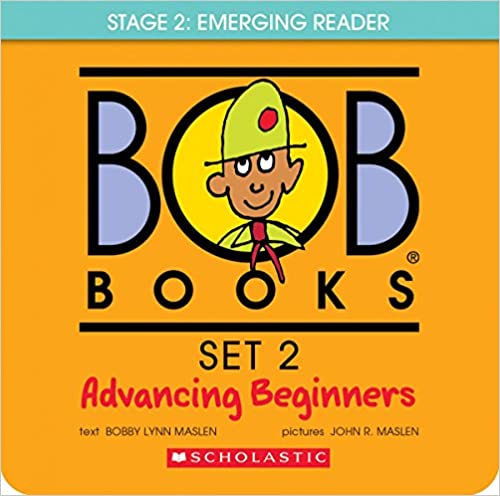
Bob Books Set 2 - Advancing Beginners
Bobby Lynn Maslen
Core curriculum · Reading level 1 · Aug 31, 2026 - Sep 27, 2026 -
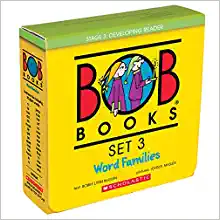
Bob Books Set 3 - Word Families
Bobby Lynn Maslen
Core curriculum · Reading level 1 · Sep 28, 2026 - Oct 25, 2026 -
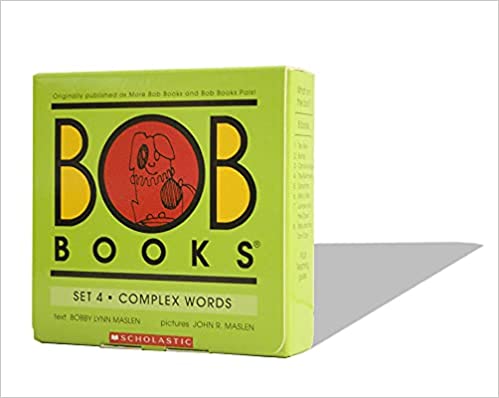
Bob Books Set 4 - Complex Words
Bobby Lynn Maslen
Core curriculum · Reading level 1 · Nov 2, 2026 - Nov 29, 2026 -
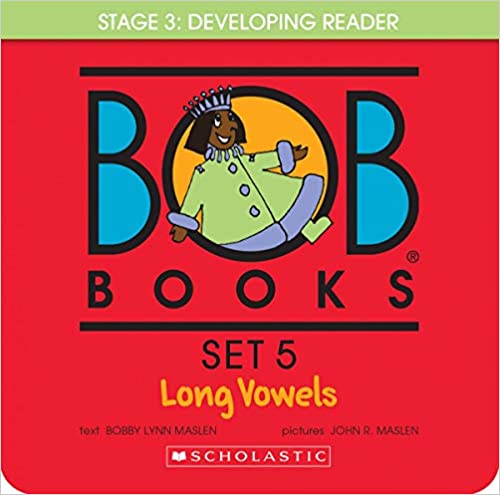
Bob Books Set 5 - Long Vowels
Bobby Lynn Maslen
Core curriculum · Reading level 1 · Nov 30, 2026 - Dec 27, 2026 -
-

-
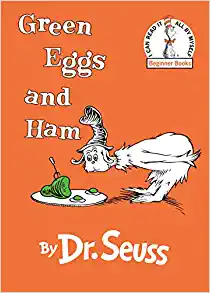
-
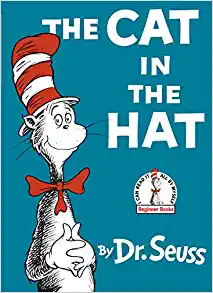
-
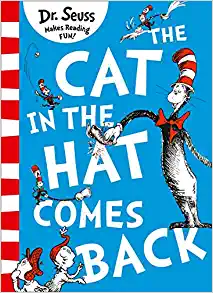
The Cat in the Hat Comes Back
Dr. Seuss
Core curriculum · Reading level 1 · Jan 25, 2027 - Jan 31, 2027 -
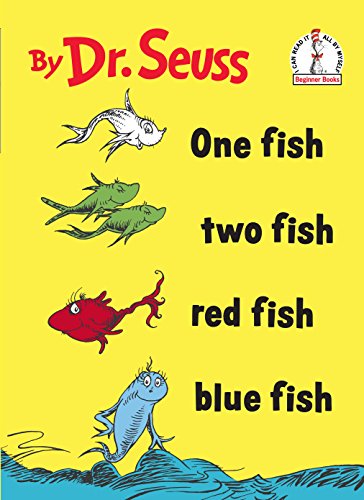
One Fish Two Fish Red Fish Blue Fish
Dr. Seuss
Core curriculum · Reading level 1 · Feb 1, 2027 - Feb 7, 2027 -

-

-

-

Frog and Toad: A Complete Reading Collection
Arnold Lobel
Core curriculum · Reading level 1 · Mar 8, 2027 - Apr 18, 2027 -

Mercy Watson to the Rescue
Kate DiCamillo
Core curriculum · Reading level 1 · Apr 19, 2027 - Apr 25, 2027 -
